
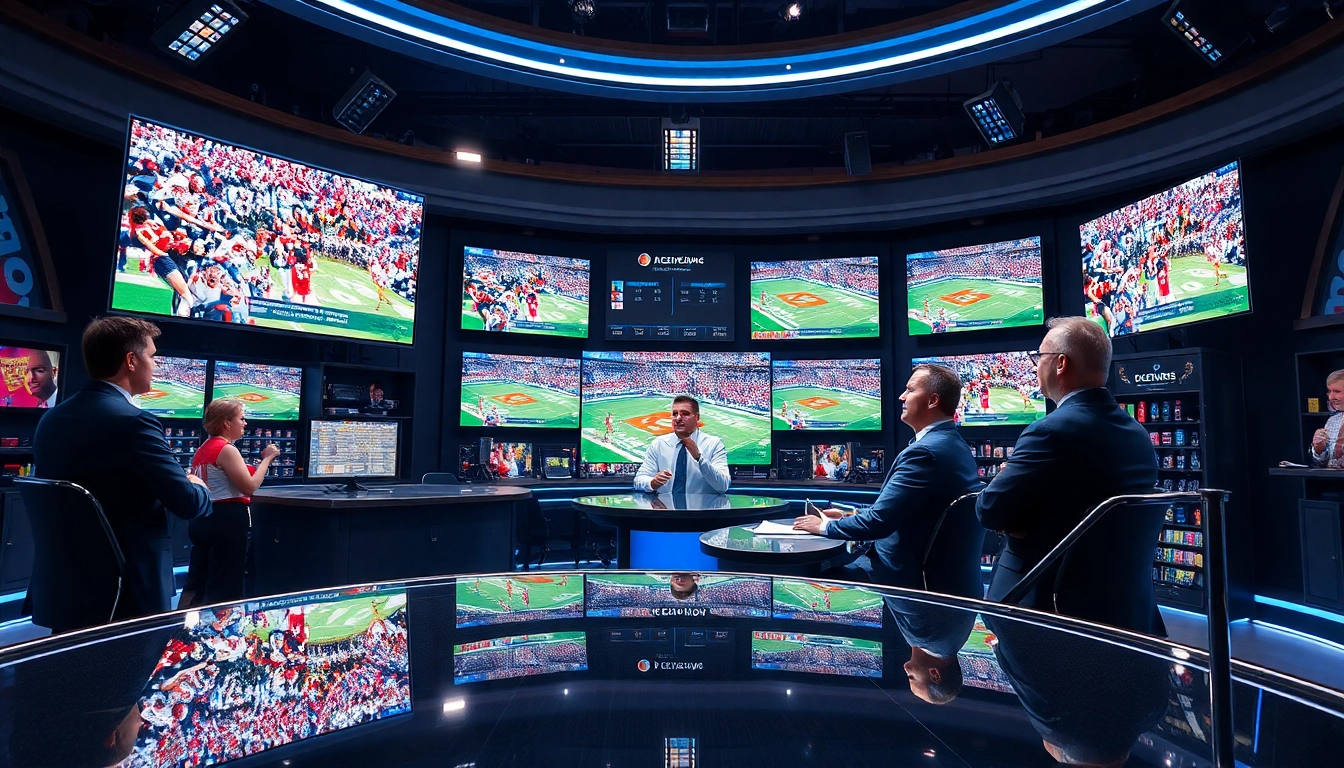
Understanding Sports Broadcasting
Definition and Importance of Sports Broadcasting
Sports broadcasting refers to the transmission of sports events to audiences through various media, including television, radio, and online platforms. This industry plays a critical role in shaping the sports culture, as it brings live sporting events directly into the homes of fans around the world. The significance of Sports Broadcasting extends beyond mere entertainment; it drives fan engagement, brand loyalty, and even the financial health of leagues and teams. With millions of viewers tuning in for major events, the influence of sports broadcasting cannot be overstated, as it connects communities and fosters a shared experience among diverse audiences.
Historical Evolution of Sports Broadcasting
The roots of sports broadcasting can be traced back to the early 20th century, when radio broadcasts first became popular, providing real-time updates on sports events. The first sports broadcast took place in 1921, featuring a boxing match, and it laid the grounds for future developments in this field. The advent of television in the 1950s revolutionized sports broadcasting, allowing for visual coverage of events that attracted a massive audience. Over the decades, advancements in technology, such as satellite broadcasting in the 1980s and digital streaming in the 2000s, have continuously transformed the landscape, offering high-definition visuals, multi-camera angles, and personalized viewing experiences for fans.
Key Players in Sports Broadcasting
The sports broadcasting industry is characterized by several key players, including television networks, streaming services, production companies, and sports leagues themselves. Major networks like ESPN and NBC are renowned for their comprehensive sports coverage, while newer platforms like Amazon Prime and YouTube have begun to carve out significant niches in live sports streaming. Additionally, sports leagues have increasingly become integral to broadcasting by negotiating their own media deals, thus retaining more control over content distribution. Each of these players contributes unique capabilities and resources that shape the programming, accessibility, and breadth of coverage available to audiences.
Technologies Behind Sports Broadcasting
Broadcasting Equipment Essentials
The backbone of sports broadcasting consists of essential equipment that ensures high-quality transmissions. Cameras, microphones, and video switchers are crucial components in capturing and broadcasting live events. Advanced camera technologies, such as 4K and 8K resolution, enable viewers to experience incredible detail and clarity, while professional microphones ensure that commentary and on-field sounds are crisp and clear. Video switchers play a vital role in mixing different sources and angles in real-time, allowing producers to present the best footage to viewers seamlessly. The right combination of these tools not only enhances the viewing experience but also plays a significant role in the storytelling aspect of sports broadcasting.
The Role of Streaming Technology
With the rise of digital media, streaming technology has transformed how audiences consume sports content. Traditional cable television is giving way to on-demand streaming platforms, allowing viewers to customize when and how they watch sports. Technologies like Content Delivery Networks (CDNs) enable efficient online streaming by distributing content from locations closer to the users, thus reducing latency and buffering. Moreover, features like live chat, instant replays, and multi-angle viewing enhance interactivity and engagement, making it possible for fans to experience events in new, immersive ways. The development of these technologies has not only expanded the reach of sports broadcasting but has also increased competition in the industry.
Innovations Shaping Future Sports Broadcasting
The future of sports broadcasting is brimming with innovative potential. One key area of focus is the integration of augmented reality (AR) and virtual reality (VR) into the viewing experience. These technologies can transport audiences into the action, allowing them to interact with the game from various perspectives. Moreover, improvements in artificial intelligence (AI) are being applied for advanced analytics and content creation, which enhances storytelling and viewer engagement through personalized recommendations and automated highlights. Additionally, 5G technology is set to radically enhance connectivity and streaming speeds, facilitating smoother broadcasts even in high-density environments. These innovations herald a new era of sports broadcasting that promises to reshape how fans experience their favorite sports.
Content Creation Strategies
Storytelling in Sports Broadcasting
At the heart of sports broadcasting lies the art of storytelling. Compelling narratives engage viewers, drawing them into the drama of the game beyond mere scores and statistics. Effective storytelling involves incorporating the backstory of teams and players, as well as emotional arcs within the game. Broadcasters often utilize graphics, statistics, and interviews to enhance storytelling and provide context. The nuances of human emotion — triumph, failure, and resilience — are essential components that create a deeper connection with the audience, thereby fostering a loyal fan base. By harnessing these elements, broadcasters not only inform but also enrich the viewing experience.
Engaging with Sports Audiences
Engagement is a crucial aspect of modern sports broadcasting, especially with changing viewer behaviors. Leveraging social media platforms enables broadcasters to build communities and foster discussions around events, allowing fans to interact in real-time. Polls, live Q&As, and social media integration during broadcasts can significantly amplify viewer engagement, as fans feel more connected to the events and the personalities involved. Furthermore, audience insights derived from data analytics help broadcasters tailor content to audience preferences, ensuring that the viewing experience resonates deeply with diverse demographics.
Live vs. Recorded Sports Broadcasting
Live sports broadcasting offers the excitement of real-time action, while recorded broadcasts allow for a curated experience where highlights and pivotal moments can be emphasized. The immediacy of live sports creates an exhilarating environment for viewers, igniting passion and collective experiences that recorded broadcasts cannot replicate. However, recorded events provide opportunities for comprehensive analysis, improved storytelling, and editing that highlights key moments. Balancing both formats is essential for broadcasters to cater to different audience preferences, providing live thrills while capitalizing on the benefits of post-event arrangement.
Challenges in Sports Broadcasting
Legal and Licensing Issues
One of the most considerable challenges in sports broadcasting involves navigating complex legal and licensing issues. Ownership of broadcasting rights can be fiercely contested, leading to high-stakes negotiations and significant costs. Different regions and platforms often require specific licensing agreements, which can restrict or complicate the ability to broadcast certain events. Additionally, compliance with regulations around advertising and content can further complicate matters for broadcasters. Establishing robust legal frameworks and clear communication with stakeholders are essential to navigate these challenges effectively.
Technological Barriers and Solutions
Technological barriers can hinder the quality and accessibility of sports broadcasts. Challenges such as bandwidth limitations, compatibility issues with streaming devices, and varying levels of viewer technology can negatively impact user experiences. To overcome these obstacles, broadcasters must invest in reliable technology infrastructure and adaptive platforms. Implementing redundancy systems, ensuring high-quality encoding, and consistently updating technology can mitigate these barriers, enabling smoother and more consistent broadcasting experiences for viewers across multiple devices and locations.
Adapting to Changing Viewer Preferences
Viewer preferences are evolving rapidly in the digital age, necessitating that sports broadcasters remain agile and responsive. Long gone are the days when audiences solely relied on traditional cable television; now, fans seek flexibility and interactivity in their viewing experiences. Broadcasters must stay attuned to audience feedback and trends to address their needs effectively. Whether through personalized content, enhanced interactivity, or access to analytics and statistics during broadcasts, meeting these demands is vital for sustaining audience interest and staying relevant in the competitive landscape.
Future Trends in Sports Broadcasting
Impact of AI and Data Analytics
The integration of Artificial Intelligence (AI) and data analytics is revolutionizing sports broadcasting. These technologies empower broadcasters to analyze vast amounts of data on viewer preferences, enabling personalized content delivery that meets the needs of individual fans. AI can also enhance production processes by automating tasks such as video editing, highlight creation, and even real-time commentary generation. As broadcasters embrace these technologies, the viewer experience is becoming increasingly tailored and engaging, paving the way for enhanced storytelling and viewer interaction.
Virtual Reality and Augmented Reality Opportunities
Virtual Reality (VR) and Augmented Reality (AR) present exciting opportunities in sports broadcasting. VR has the potential to immerse fans into live events as if they were physically present, enabling viewpoints from the sidelines or even on the playing field. AR can enhance broadcasts by overlaying digital content onto the real-world environment, providing viewers with interactive elements that deepen their understanding of what is happening on the field. These technologies promise to transform the spectator experience, making it more interactive and engaging than ever before.
Sustainability Practices in Sports Broadcasting
The emphasis on sustainability is increasingly influencing sports broadcasting. Broadcasters are adopting eco-friendly practices, such as reducing energy consumption and waste during productions. Additionally, innovations like remote broadcasting capabilities, which reduce travel emissions, are gaining traction. As audiences become more environmentally conscious, broadcasters that incorporate sustainable practices into their operations are likely to resonate better with viewers. Future broadcasting strategies will need to prioritize green initiatives, showcasing a commitment to the planet while meeting the expectations of environmentally aware consumers.
FAQs
What is Sports Broadcasting?
Sports broadcasting refers to the transmission of sports events through various media channels to an audience, including TV and online platforms.
What equipment is essential for Sports Broadcasting?
Key equipment includes cameras, microphones, video switchers, soundboards, and streaming software to ensure high-quality broadcasts.
How has technology transformed Sports Broadcasting?
Technology has introduced streaming services, enhanced viewing experiences via interactive content, and improved production techniques.
What are the common challenges in Sports Broadcasting?
Challenges include securing broadcasting rights, coping with technological issues, and meeting changing audience demands.
What is the future of Sports Broadcasting?
The future involves more integration of AI, enhanced interactive experiences, and a focus on sustainability in broadcasting practices.